

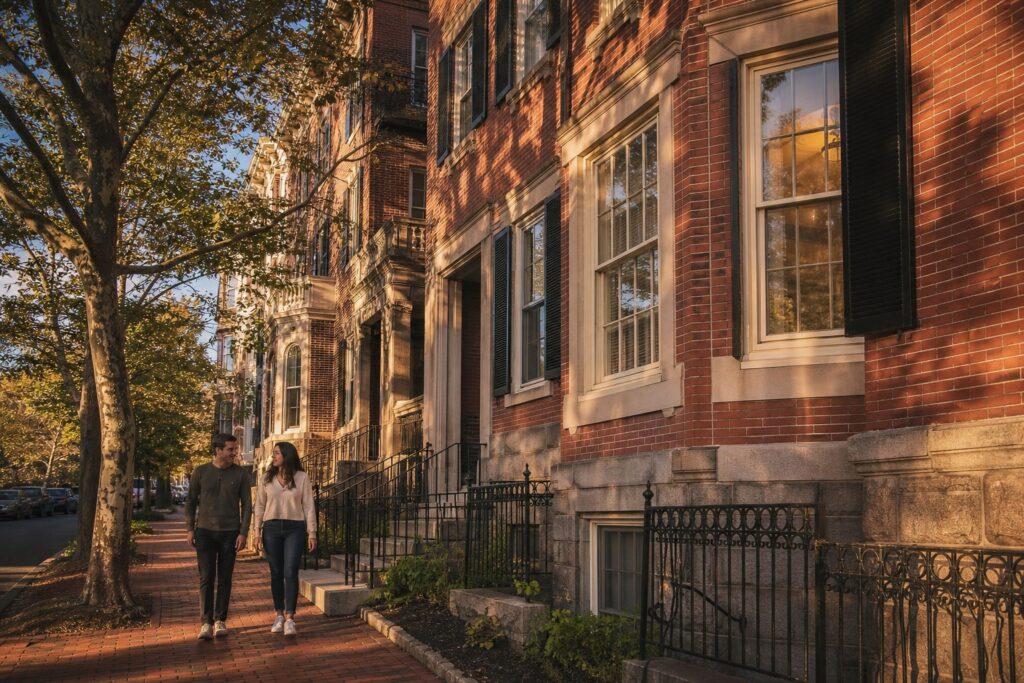
Are Boston-area millennials finally crossing the threshold from renting to owning, and where in the suburbs are they doing it?
Yes. Millennial homeownership in the Boston area jumped nearly 76% between 2018 and 2023, and suburbs like Needham, Newton, Waltham, and Somerville are where that shift is playing out in real time.
Why This Matters Right Now in the Boston Suburbs
If you’re a millennial renting in the Boston area, you’re part of a generation that’s been told for years that homeownership is out of reach. But the data tells a different story. RentCafe research shows that millennial homeownership in the Boston area surged nearly 76% between 2018 and 2023. Even with that remarkable growth, about 52% of Boston millennials remain renters while roughly 48% now own. You’re closer than you think.
What I tell my clients all the time is this: the gap between “almost ready” and “actually owning” often comes down to knowing where to look, what programs exist, and which suburbs match your budget and lifestyle. With 25 years of experience helping first-time buyers navigate this exact market, I’ve watched hundreds of millennials make this leap. The path is real, and it’s happening right now across the Boston suburbs.
Where Boston Suburban Millennials Are Actually Buying in 2026
The concept of “millennial feeder suburbs” has become a real phenomenon in Greater Boston. These are the communities where millennials who want to live in Cambridge, Somerville, or the South End but can’t quite afford it are landing instead. And they’re thriving there.
Here’s what the landscape looks like right now:
- Needham, MA offers strong schools, commuter rail access, and a distinct town-center feel that appeals to millennials entering their mid-30s and starting families. As a real estate agent in Needham, MA, I’ve seen buyer interest from this demographic increase significantly.
- Quincy, Watertown, Waltham, Medford, and Malden have become the go-to first stops for millennial buyers priced out of the urban core.
- Davis Square in Somerville remains a millennial magnet, with one-bedroom condos carrying a median of $717,500 and homes going pending in around 12 days.
- Winter Hill in Somerville offers a more accessible entry point, with one-bedroom condos at a median of $496,000.
- Newton’s Nonantum village starts around $1.0M for single-family homes, while condos across Newton range from $500K to $900K.
One couple I worked with had been renting in Jamaica Plain for six years. They assumed they needed to stay in the city to keep their commute manageable. When we explored Needham together, they were surprised to find that the commuter rail got them downtown in under 30 minutes, and their monthly mortgage payment on a three-bedroom was only slightly more than their rent. They closed within 45 days and haven’t looked back.
So what does this actually mean for your search? It means the suburbs aren’t a consolation prize. For many millennials, they’re the smarter play.
The Numbers Behind Boston Millennial Homeownership Growth
Let’s look at why the momentum is building. Nationally, millennial homeownership reached 55.4% in 2025, up from 54.9% the prior year. There are now approximately 12.4 million millennial owner households nationwide, following a staggering 74% increase in just five years.
Boston-area millennials still lag the national average. Just 39% of millennials in Boston proper own homes, compared to the national average of 47%. Massachusetts had the fourth-lowest homeownership rate for adults aged 25 to 34 of any state.
But here’s the important context: affordability clearly makes a difference in where millennials are buying. In Worcester, where housing costs are more attainable, more than 55% of millennials are already homeowners. Springfield is also approaching the tipping point, with nearly half of millennials owning. The demand is there. The desire is there. What differs is the price point.
That’s exactly why the Boston suburbs matter so much in this conversation. The Greater Boston median single-family price sits just above $1 million, while condos hold near $750,000. That roughly $280,000 gap creates a real opportunity. Having closed over 252 transactions across the Boston suburbs, I can tell you that condo-to-single-family progression is the most common wealth-building path I see among millennial buyers.
Programs That Are Helping Boston Millennials Bridge the Down Payment Gap
You might be surprised by how much financial support is available to first-time buyers in Massachusetts right now. The biggest obstacle for most of my millennial clients isn’t income; it’s the down payment. And the state knows it.
MassHousing Down Payment Assistance
This program provides eligible buyers with up to $25,000 at zero percent interest with deferred repayment terms. You can use it toward your down payment, closing costs, prepaid mortgage insurance, or even to reduce your interest rate. The income eligibility ceiling is generous: up to 135% of area median income, which means up to $205,335 in eastern Massachusetts. Since 2023, MassHousing has delivered more than $1.9 billion in mortgage financing and issued 4,757 down payment assistance loans.
Boston First-Time Homebuyer Program
If your income is less than 100% of Area Median Income, you could receive a grant of 3% of the purchase price, up to $50,000, plus closing costs. For incomes between 101% and 135% of AMI, the grant is 2% of the purchase price, up to $35,000.
ONE Mortgage Program
This is a Massachusetts staple: a 30-year fixed-rate loan at a below-market rate requiring just 3% down with no private mortgage insurance. Since 1991, this program has helped more than 26,000 families purchase their first home.
What I always recommend to first-time buyers is this: get your program eligibility sorted before you start seriously shopping. One recent client, a single professional in her early 30s, assumed she made too much to qualify for any assistance. She actually qualified for MassHousing’s full $25,000 benefit, which completely changed her purchasing power in the Waltham market.
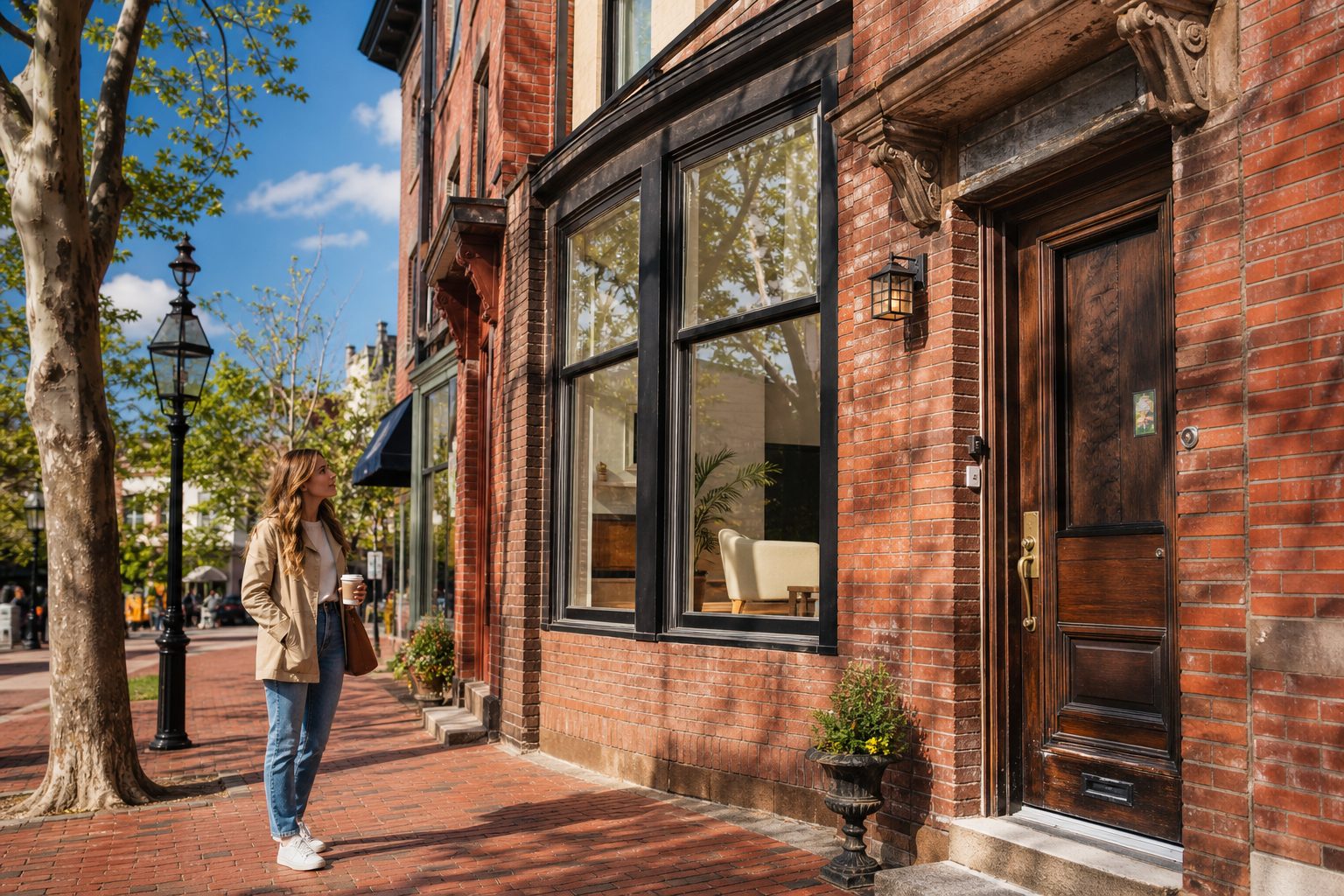
What Boston Suburb Millennials Actually Want (and Where to Find It)
Millennials enter the housing market in their thirties, not their mid-twenties. This life-stage timing shapes everything about what you’re looking for. You want move-in-ready homes. You need space for a home office or future children. You don’t have time for major renovations, and the price premium for renovated versus unrenovated homes has widened significantly because of this exact demand shift.
You also want walkability. Jamaica Plain became the poster child for millennial preferences because it’s walkable, has the Orange Line, features local businesses and restaurants, and offers green space with the Arboretum and Jamaica Pond. But you can find those qualities in the suburbs, too.
Newton Centre
Walk down Langley Road on a Saturday morning and you’ll see the appeal immediately. Sycamore and Union Street restaurant anchor a walkable village with direct Green Line D service nearby. Newton Public Schools has a per-pupil spending of $28,377 and a student-to-teacher ratio of 11:1. For millennial buyers, condos in Newton ranging from $500K to $900K represent the most accessible entry point into one of Massachusetts’ strongest school districts.
Davis Square, Somerville
Urban energy meets condo accessibility. The average Somerville home value is $885,311, and homes go pending in about 12 days. This neighborhood rewards buyers who move fast and know what they want.
Needham
As a top real estate professional in Needham, I’ve seen this town increasingly attract millennials who want excellent schools, genuine community character, and a manageable commute without the sticker shock of Newton proper.
What’s Still Standing in Your Way (and How to Get Past It)
Let’s be honest about the challenges. The typical house in Greater Boston sold for $833,900 in the second quarter of 2025, more than 7.5 times the region’s median household income. Five years ago, a household needed to earn $126,519 a year to afford the median-priced single-family home. Today, that figure has more than doubled to $259,648.
Mortgage rates remain more than twice what they were in 2021. Single-family inventory is the tightest segment of the Boston housing market. And housing supply elasticity is low in Boston, meaning new construction can’t easily respond to demand.
But here’s what I’ve seen change over 25 years: the millennials who succeed are the ones who approach homebuying strategically. They start with a condo, build equity, and trade up. They use every dollar of available assistance. They consider suburbs they hadn’t initially imagined. And they work with someone who knows the micro-markets well enough to spot value before it disappears.
Rated 5.0 out of 5 by 130 past clients, I’ve built my practice around exactly this kind of patient, strategic guidance. Your timeline matters, but so does getting it right.
Frequently Asked Questions
Can I afford to buy in the Boston suburbs as a millennial earning under $150K?
Yes, especially if you target condos in communities like Winter Hill in Somerville (median $496,000 for one-bedrooms) or explore Waltham neighborhoods, where single-family medians sit near $865,000. Programs like ONE Mortgage require just 3% down with no PMI, and MassHousing offers up to $25,000 in down payment assistance for incomes up to $205,335 in eastern Massachusetts.
What is the median home price in Newton for first-time buyers?
Newton condos typically range from $500K to $900K for one- and two-bedroom units, many in converted Victorians and Colonial Revivals. Single-family homes range from approximately $1.0M in Nonantum to over $2.5M in Chestnut Hill, making condos the most realistic entry point for most millennial buyers.
How fast are homes selling in Somerville and Davis Square?
The average Somerville home goes to pending in about 12 days. Davis Square one-bedroom condos carry a median of $717,500. Speed matters here, and you need to be pre-approved before you start seriously looking.
What percentage of Boston millennials currently own homes?
About 48% of Boston-area millennials own homes as of the latest data, while 52% remain renters. Nationally, millennial homeownership reached 55.4% in 2025. The gap reflects Boston’s higher costs, but the trend is moving in the right direction.
What down payment assistance programs are available in Massachusetts?
Key programs include MassHousing Down Payment Assistance (up to $25,000 at 0% interest), the Boston First-Time Homebuyer Program (grants up to $50,000), and ONE Mortgage (3% down, no PMI, below-market rate). Since 2023 alone, MassHousing has issued 4,757 down payment assistance loans.
Is Needham, MA a good town for millennial first-time buyers?
Needham offers a strong school system, commuter rail access to downtown Boston, a walkable town center, and a community feel that appeals to millennials entering their family-formation years. As a top real estate broker in Needham, MA, I consistently see this town attract buyers who want quality of life without the Newton price tag.
Why are millennials buying later than previous generations?
The median age for first-time homebuyers hit a historic high of 40 in 2025. Millennials were held back by the Great Recession during their twenties, rising student debt, and delayed life milestones. The median first-marriage age is now 30.8 for men and 28.4 for women, up significantly from previous generations.
Should I buy a condo or a single-family home as a first-time buyer in the Boston suburbs?
For most millennial buyers, a condo is the smartest first step. Greater Boston single-family medians sit above $1 million, while condos hold near $750,000. That roughly $280,000 gap lets you build equity now and trade up later when your income and equity position are stronger.
Are Worcester and Springfield better options for millennial buyers than Boston?
If affordability is your primary driver, the numbers are compelling. In Worcester, more than 55% of millennials are already homeowners, and income eligibility for MassHousing assistance extends to $165,645 in Worcester County. But if your career is anchored in the Boston metro, suburban communities offer a middle ground.
How do I know if I’m truly ready to transition from renting to buying?
If buying feels just out of reach, it’s worth running the real numbers before assuming it isn’t possible. With programs covering up to $25,000 in down payment costs and loans requiring just 3% down, many of my clients are surprised to learn they’re closer than they thought. A strategic consultation can clarify your position in less than an hour.
The Bottom Line
The data is clear: more Boston-area millennials are becoming homeowners than at any point in the last decade, with ownership rates jumping nearly 76% between 2018 and 2023. The suburbs are where this shift is happening most visibly, from the condo corridors of Somerville and Waltham to the family-ready neighborhoods of Needham and Newton. You have more assistance programs, more inventory options, and more strategic paths to ownership than you might realize.
If you’re a millennial renter in the Boston area weighing whether now is your moment, I’d love to help you figure that out. With 25 years of experience, 252 closed transactions, and 130 five-star reviews from past clients, I specialize in helping first-time buyers find the right home in the right community at the right price. Reach out to me, Nancy Moore at Gibson Sotheby’s International Realty, at (781) 424-3527 to start the conversation. Your path from renting to owning might be shorter than you think.

Nancy Moore · Gibson Sotheby's International Realty
Vice President & Associate Broker — Needham & Boston Suburbs
Get in touch →