

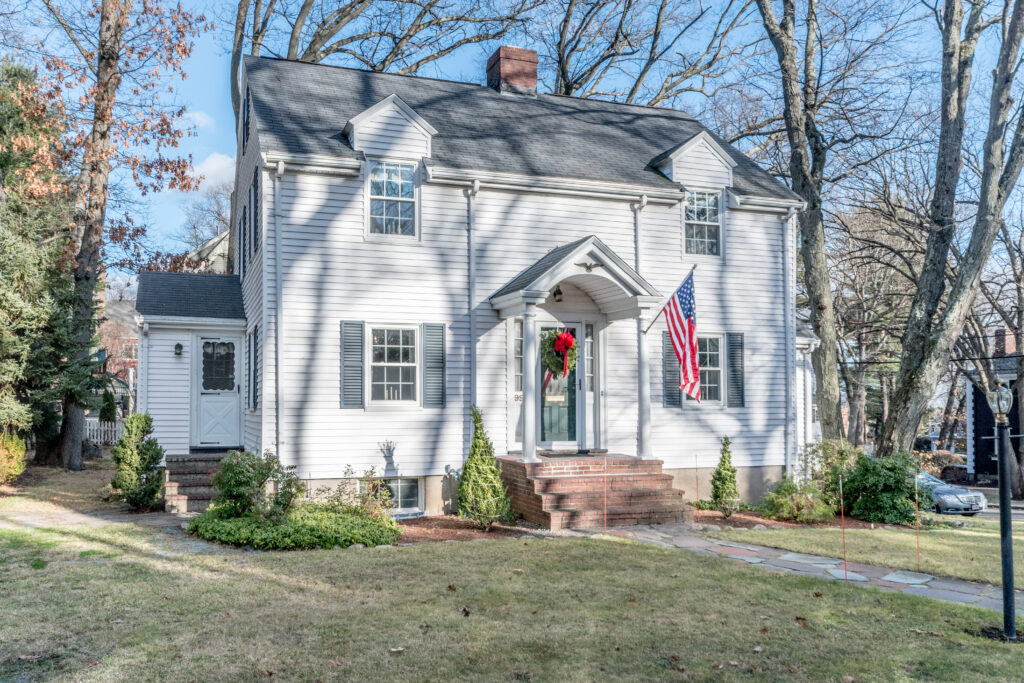
What Devalues a House the Most in Needham, MA
What devalues a house the most when you’re preparing to sell your Needham home?
[SNIPPET ANSWER: Deferred maintenance, poor location near highways or industrial zones, and unpermitted renovations devalue a Needham home the most. Structural issues like foundation or roof damage can reduce your sale price by tens of thousands in this competitive market.]
Why This Matters Right Now in Needham, MA
If you’ve owned a home in Needham for 15 or 20 years, you’re sitting on significant equity. The 2026 year-to-date median single-family sale price has climbed to $2,359,500, and average assessed values jumped 22.28% in the most recent cycle. That’s extraordinary appreciation.
But here’s what I tell my clients who are downsizing or rightsizing: not every home in Needham captures that full upside. Some sellers leave $100,000 or more on the table because of fixable problems they never addressed, or worse, because of “improvements” that actually hurt their value. Having closed over 252 transactions across this market over 25 years, I’ve seen the same mistakes repeat. Whether you’re on a quiet street off Glendoon Road or in a stately Colonial near Birds Hill, the devaluation factors are consistent, and they’re avoidable.
So what exactly kills your home’s value? Let me walk you through the biggest culprits, ranked by how much they actually cost Needham sellers.
Structural Damage Is the Single Biggest Price Killer in Needham
You might assume that outdated kitchens or old carpeting are what scare buyers away. They’re not. The problems buyers believe will cost them real money after closing are what truly tank a home’s value. And nothing triggers that fear faster than structural concerns.
Foundation issues are especially relevant in New England. Our freeze-thaw cycles put constant stress on older foundations, and Needham’s housing stock spans everything from pre-war homes near Charles River Village to brand-new construction on Central Avenue. A visible crack in a foundation wall may or may not signal a severe problem, but buyers assume the worst every time.
Roof damage works the same way. A buyer touring a $2M home in Needham Heights who spots missing shingles or water stains on the ceiling isn’t thinking about a $500 repair. They’re imagining a $30,000 roof replacement, and they’re adjusting their offer accordingly.
One couple I worked with in Needham Center had lived in their Colonial for 22 years. They’d maintained it beautifully inside, but they’d deferred addressing a slow leak near the chimney flashing. During inspections, that single issue became the focal point of every conversation. The buyers initially walked away, and we ultimately renegotiated at a $40,000 reduction. A $4,000 repair would have prevented all of it.
What does that actually mean for your bottom line? In a market where homes routinely sell at or above asking price, structural red flags are the fastest way to become the exception.
How Location Within Needham Affects Your Home’s Value
You can’t move your house, but you need to understand how your specific location within Needham affects what buyers will pay. The three main categories of devaluation, deferred maintenance, poor location, and unappealing customizations, are all important. But location is the one you can’t fix.
Proximity to Route 128/I-95 is the most significant location-based devaluation factor in Needham. Homes along Highland Avenue near the I-95 on-ramps or along the Route 135 corridor closer to the Needham/Newton line sit near elevated traffic noise. Comparable homes on quiet interior streets like Webster Street or Greendale Avenue, just a few blocks away, can command 8 to 12 percent more.
Here’s how that plays out in real dollars: on a $2M home, that’s potentially $160,000 to $240,000 in lost value compared to a neighbor who happens to be two streets deeper into the neighborhood.
Being near industrial or commercial zones has a similar effect. While Needham Center’s commercial core along Great Plain Avenue and High Street is vibrant and desirable, properties that back up directly to commercial loading areas or sit adjacent to the Chestnut Street Business District corridor can feel less residential. Buyers shopping in the $1.75M to $2.8M range expect a neighborhood setting, not a commercial one.
If your home faces one of these location challenges, the good news is that smart staging, strategic pricing, and expert marketing can offset some of the impact. With 130 five-star reviews from past clients, I’ve developed specific strategies for positioning these properties to still attract competitive offers.
Unpermitted Additions and DIY Renovations in Needham Homes
This is one that catches Needham sellers off guard constantly. You finished the basement 12 years ago. You added a bathroom. You enclosed the porch. But did you pull permits?
Unpermitted work is one of the biggest price killers in any market, and in Needham’s luxury bracket, it’s particularly damaging. Buyers paying over $2M are sophisticated. Their attorneys and inspectors will check permit records with the Town of Needham, and discrepancies between the town’s records and the actual square footage of your home create immediate problems.
Here’s what happens: if the town has your home listed as a three-bedroom, 2,200-square-foot Colonial but you’re marketing it as a four-bedroom, 2,800-square-foot home because of an unpermitted addition, the buyer’s lender may not appraise it at your asking price. The buyer’s attorney will flag liability concerns. And suddenly, your listing that should have moved in two to four weeks is sitting on the market while competitors on Central Avenue and in Birds Hill close at full price.
A downsizing couple I recently helped in Charles River Village had converted their attached garage into a home office years earlier. No permits. When we discovered this early in the listing preparation, we worked with a contractor to either retroactively permit the work or restore the garage to its original use. That proactive approach saved the sale and preserved their asking price. Had we discovered it during buyer due diligence, the result would have been very different.
Over-Personalization That Drives Needham Buyers Away
You love your home. You should. But the neon-green accent wall in the primary bedroom, the ultra-specific wine cellar that replaced the mudroom, or the master bathroom you designed around imported Moroccan tile? Those choices that made the home yours can make it harder for buyers to see themselves living there.
In Needham’s market, over-personalization takes a specific form. The town’s architectural character leans heavily toward New England Colonials, traditional Capes, and updated Craftsman-style homes. When a homeowner in Needham Heights installs an ultra-modern glass-and-steel kitchen in a 1940s Cape Cod, the disconnect is jarring to buyers.
The practical rule I share with my downsizing clients is simple: your neighbors’ comparable sales set the ceiling for what buyers will pay, regardless of how stunning your upgrades are. Converting a bedroom into a craft studio or home gym eliminates a bedroom from your listing, and in a market where families are the primary buyer pool thanks to Needham’s A+ rated school district and schools like Needham High with its 99% graduation rate, that bedroom matters.
What I recommend is neutralizing before listing. Fresh paint in warm, neutral tones. Restore converted spaces to their original intended use. Remove highly personal decor. These simple steps, which often cost under $5,000, consistently help my sellers capture top-dollar offers.
Deferred Maintenance That Needham Sellers Overlook
Beyond major structural problems, the accumulation of smaller deferred maintenance items sends a powerful signal to buyers. Peeling exterior paint on a home near Broadmeadow Elementary. An aging HVAC system in a Birds Hill estate. Outdated electrical panels in an older Charles River Village Colonial.
Each of these items individually might seem manageable. But collectively, they tell buyers that this home has been neglected, and they start wondering what else is hiding behind the walls.
Curb appeal is where this starts. In neighborhoods like Birds Hill, where lots are larger and more estate-like, landscaping and exterior presentation carry enormous weight. Research consistently shows that investing in landscaping can increase your property’s value by 5 to 10 percent. In Needham’s price range, that’s $100,000 or more in potential upside from proper plantings, a maintained lawn, and a clean driveway.
As a RealTrends Top 1.5% agent specializing in downsizers and rightsizers, I always conduct a pre-listing walkthrough specifically to identify these deferred items. The small investments, a fresh coat of exterior paint, updated light fixtures, repaired gutters, consistently yield returns many times their cost.
Frequently Asked Questions About Home Devaluation in Needham
Does being near Route 128 lower my Needham home’s value?
Yes, proximity to Route 128/I-95 is one of the most consistent location-based devaluation factors in Needham. Homes near the highway interchange along Highland Avenue or Route 135 can see values suppressed compared to properties on quieter interior streets just a few blocks away. You cannot eliminate the highway, but strategic marketing and pricing can help offset some impact.
How much do foundation issues reduce a Needham home’s sale price?
Foundation concerns can reduce your sale price significantly because buyers assume the worst. Even minor visible cracks trigger expensive-sounding fears. In Needham’s market, where the median single-family home exceeds $2.3M, buyers have high expectations and low tolerance for structural uncertainty. Getting a pre-listing structural inspection is one of the smartest investments you can make.
Will unpermitted work hurt my home sale in Needham, MA?
Absolutely. Unpermitted additions, basement finishes, or bathroom installations create legal and appraisal complications. Buyers’ attorneys routinely check Needham’s permit records, and discrepancies between town records and actual square footage can derail financing, reduce appraisals, and cause deals to collapse. Address permit issues before you list.
Does an outdated kitchen devalue my Needham home?
Outdated kitchens affect perceived value, but less than you might think. Buyers factor renovation costs into their offers, but cosmetic updates are far less damaging than structural problems or unpermitted work. A modest kitchen refresh with new hardware, paint, and updated lighting can make a meaningful difference without a full renovation.
How important is curb appeal for Needham home values?
Extremely important. First impressions drive buyer enthusiasm, and in neighborhoods like Birds Hill and Charles River Village where lots are larger, landscaping expectations are even higher. Investing in curb appeal can boost your property’s value by 5 to 10 percent. Clean landscaping, fresh paint, and a well-maintained driveway set the tone before buyers walk through your door.
Can over-improving my Needham home actually lower my return?
Yes. The 30 percent rule suggests you should not spend more than 30 percent of your home’s current value on any single renovation. Over-improving beyond what your neighborhood’s comparable sales support means you’re unlikely to recoup that investment. Your neighbors’ sales set the ceiling.
Does converting a garage hurt my home’s value in Needham?
In most cases, yes. Converting a garage into a home gym, office, or studio eliminates a feature most Needham buyers expect. Families moving to Needham for the A+ school district want functional garage space, especially given New England winters. Restoring the garage to its original use before listing is almost always worthwhile.
What neighborhood in Needham holds value best?
Interior streets in Needham Center, the quieter sections of Needham Heights near the commuter rail, and the larger lots in Birds Hill tend to hold value most consistently. Proximity to the town’s walkable core, top-rated schools, and distance from highway noise all contribute to long-term appreciation.
Should I get a pre-listing inspection in Needham?
I strongly recommend it. A pre-listing inspection lets you identify and address deferred maintenance, structural concerns, and permit issues before buyers discover them. This puts you in control of the narrative and prevents last-minute renegotiations that can cost you tens of thousands of dollars.
How fast are homes selling in Needham right now?
Well-positioned properties in Needham are moving within two to four weeks, and in 2025, 58% of homes sold within 30 days. However, homes with deferred maintenance, permit issues, or unfavorable locations tend to sit longer and sell below comparable properties. Condition and preparation make all the difference.
The Bottom Line on Protecting Your Needham Home’s Value
The factors that devalue a home the most, structural damage, highway proximity, unpermitted additions, and over-personalization, are either preventable or manageable with the right preparation. In a market where Needham’s median single-family price has climbed 62% over four years, you owe it to yourself to capture every dollar of that appreciation.
If you’re considering downsizing or making your next move from Needham, the preparation you do before listing directly determines the price you’ll achieve. With 25 years of experience, 252 closed transactions, and a focus on helping downsizers and rightsizers navigate exactly these decisions, I’d welcome the chance to walk through your home and identify what to address before we go to market. Reach out to me, Nancy Moore with Gibson Sotheby’s International Realty, at (781) 424-3527 to start the conversation.

Nancy Moore · Gibson Sotheby's International Realty
Vice President & Associate Broker — Needham & Boston Suburbs
Get in touch →